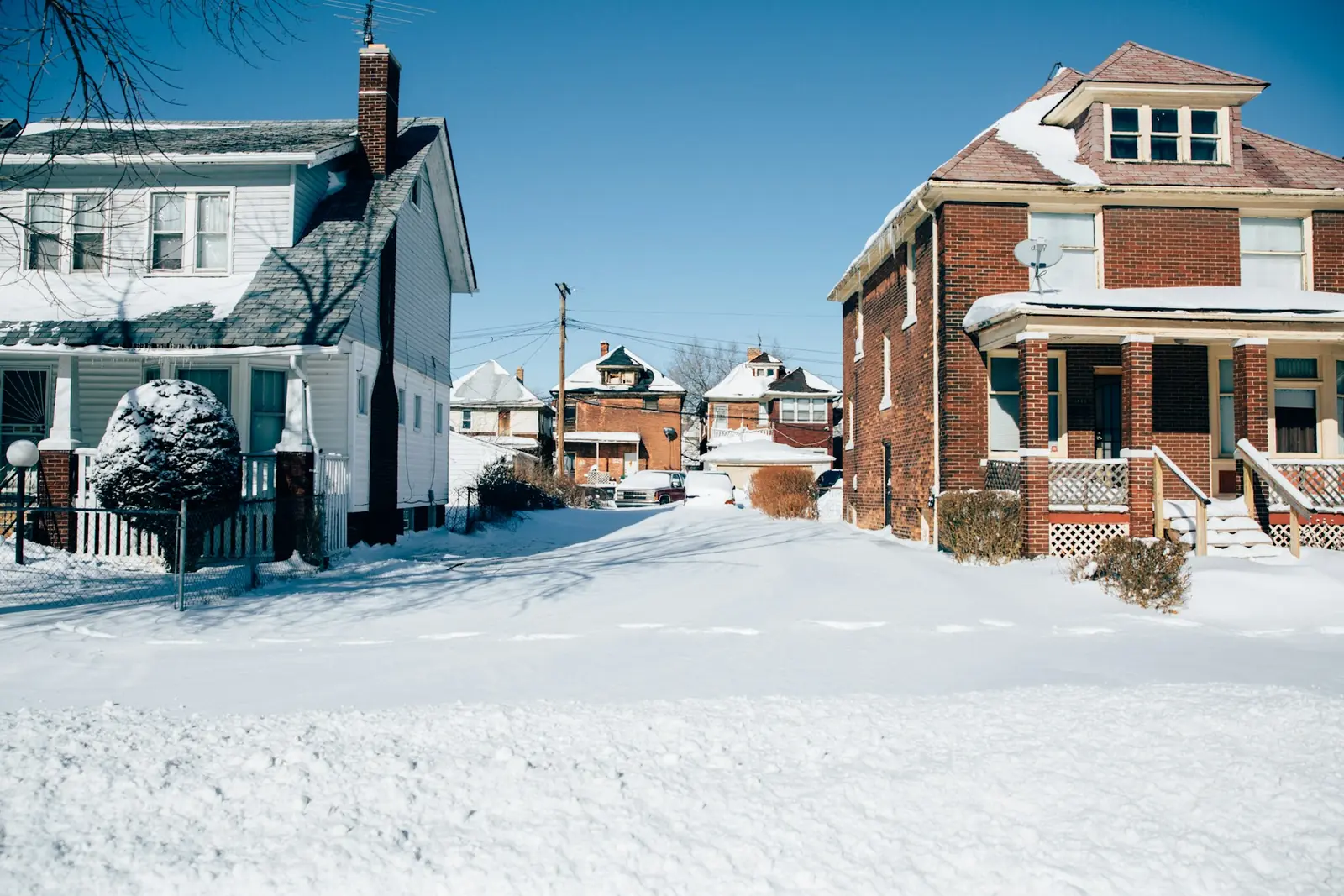
The best time to pour concrete in Troy, MI is from late spring through early fall, when the ground is thawed and daytime temperatures stay comfortably above 50 degrees. Concrete can be poured in cooler weather with precautions, but never on frozen ground. The Michigan Concrete Association calls for a subgrade of at least 40 degrees and protection that keeps fresh concrete at 50 degrees or above for three days. Most residential concrete in Troy is poured from about April through November.
Why temperature matters
Concrete hardens through a chemical reaction called hydration. Cold slows that reaction dramatically. If fresh concrete freezes before it gains enough strength, ice crystals can damage it permanently, leaving a weak, scaling surface. Heat speeds the reaction, which can cause problems too: the surface dries too fast, making finishing harder and increasing the risk of shrinkage cracks.
The season in Troy
- Early spring (March to April): The ground is still thawing and often saturated. Subgrades can be soft. Pours start when the frost is out and the base can be compacted.
- Late spring and early summer (May to June): Ideal conditions for most work, and the busiest time of year.
- Mid-summer (July to August): Good, with care for heat. Crews start early, keep concrete moist and may use evaporation retarders.
- Early fall (September to October): Excellent weather for concrete. Cool nights mean slower curing but less cracking risk.
- Late fall (November): Possible with blankets and close attention to the forecast. Days are short and the margin is thin.
- Winter (December to February): Residential flatwork is generally on hold.
Cold-weather rules
The MCA driveway and sidewalk guidelines are clear that concrete should never be placed on a frozen subgrade, the subgrade should be at least 40 degrees, and fresh concrete should be protected to stay at 50 degrees or above for three days. Insulated curing blankets trap the heat generated by hydration. Accelerating admixtures can speed early strength, but they do not replace protection.
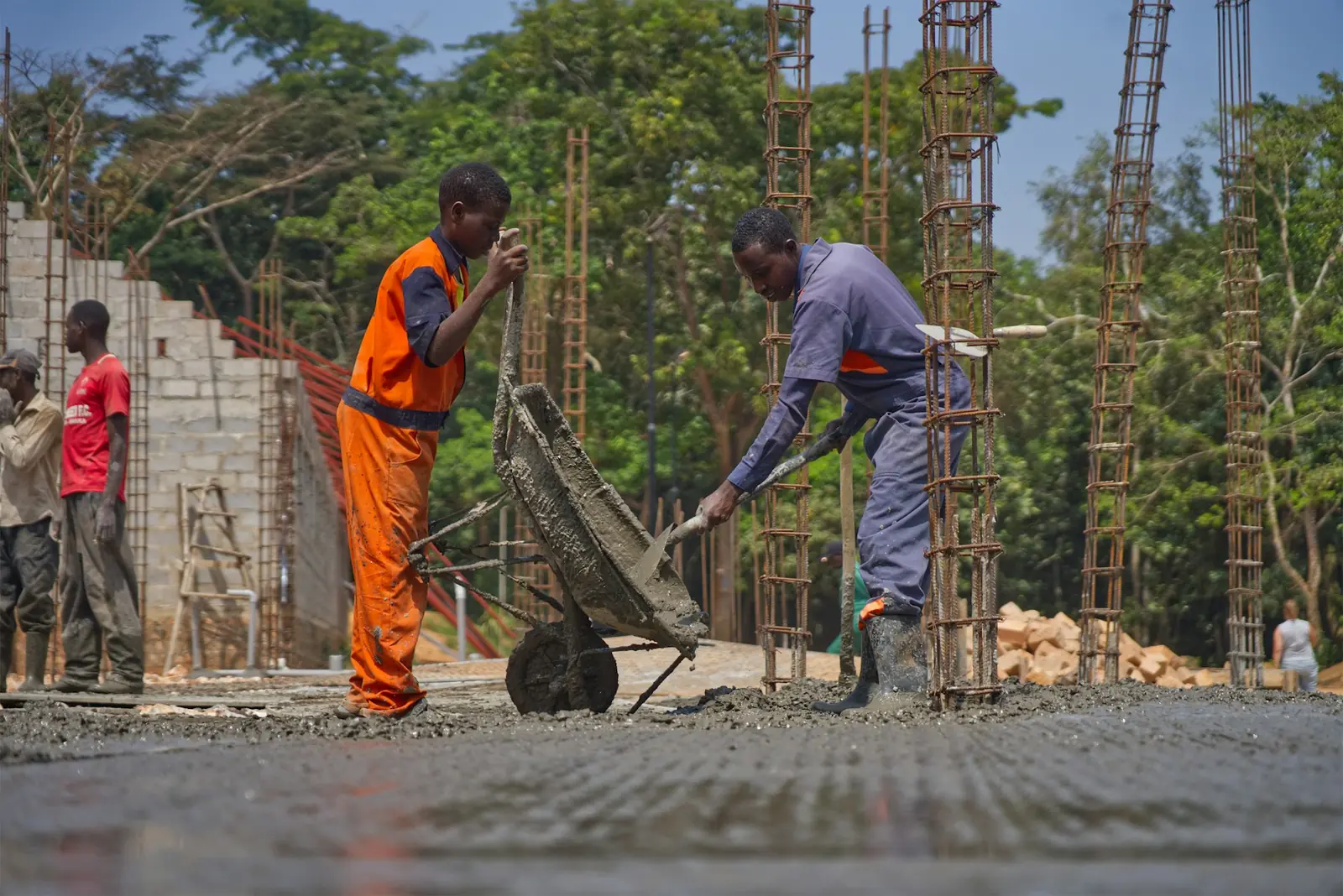
The first winter after a fall pour
Concrete poured in the fall has less time to dry and gain strength before its first winter. That makes first-winter care even more important. Keep all deicers off new concrete the first winter, use sand for traction and do not let snowplows or shovels gouge the surface. Apply a penetrating sealer once the concrete is at least 30 days old and the weather allows a dry surface.
How far ahead to book
Spring fills quickly once the frost leaves the ground, so calling in late winter gives you the best choice of dates. Fall is a good time for flexible schedules. Permit time also matters: approach work in Troy needs a city permit and inspection, so build in a little extra time. For driveway projects, see concrete driveways. For patios, see concrete patios.
Weather on pour day
Rain is the most common reason to reschedule. Light rain after the surface is finished is usually manageable with coverings, but heavy rain during placement can ruin the finish. Strong wind and low humidity dry the surface quickly in summer. We watch the forecast closely and will move a pour rather than risk the slab.
Around Troy
Troy's tree-lined neighborhoods near Stage Nature Center and the Rouge River stay shaded and cool, so frost lingers there in spring and returns earlier in fall. Open subdivisions with full sun warm up sooner.
For more on how the mix protects concrete in cold weather, read why Troy concrete needs air entrainment. After the pour, follow our new concrete driveway care guide.
Common questions
Can concrete be poured in winter in Michigan?
Commercial projects sometimes pour in winter with heated enclosures, heated materials and blankets, but residential flatwork is generally put on hold from December through February. Concrete must never be placed on frozen ground, and fresh concrete needs protection at 50 degrees or above for three days, which is hard to guarantee outdoors in a Michigan winter.
What is the lowest temperature for pouring concrete?
There is no single number, but Michigan Concrete Association guidance calls for a subgrade of at least 40 degrees and protection that keeps the concrete at 50 degrees or more for three days. In practice, that means watching overnight lows in spring and fall and using curing blankets or rescheduling when a cold snap is coming.
Is summer or fall better for pouring concrete?
Both work well. Fall often offers ideal conditions, with mild days and less risk of rapid drying, though the first winter comes sooner. Summer pours start early in the day to beat the heat and need careful curing. The most important factors are a thawed base, a good mix and proper protection, whatever the season.