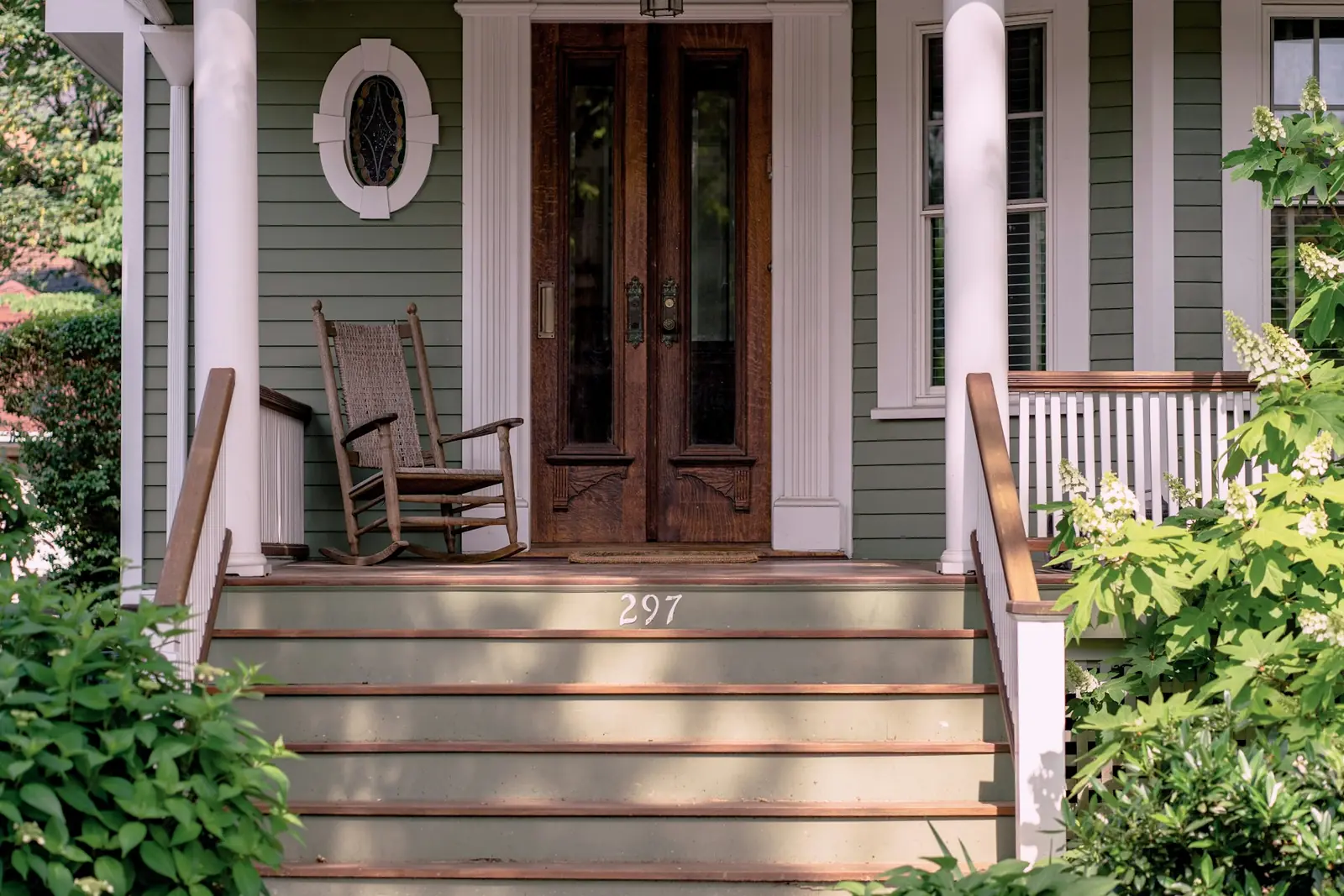
Concrete step and porch replacement in Troy, MI usually means removing a flaking or settled stoop and pouring a new one with consistent risers, a level landing and air-entrained concrete that resists salt. The Michigan Residential Code calls for at least 3,500 psi concrete with 5 to 7 percent air on exposed porches and steps in our climate, so we order mixes that meet or beat that. Steps are formed and poured in a day, then cure for about a week before heavy use. Call (248) 453-1088 about your stoop.
Why front steps fail first
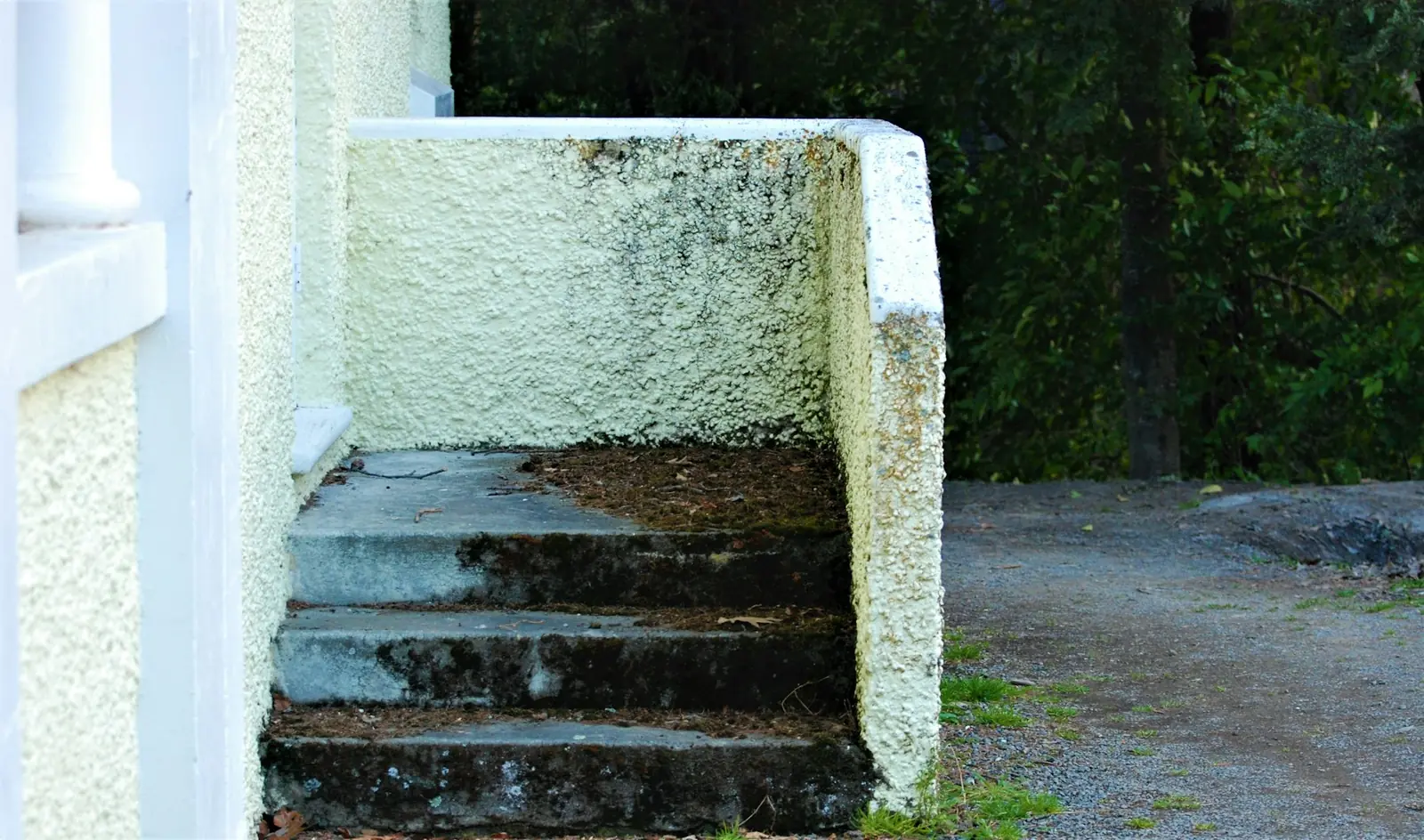
Steps take more punishment than any other concrete around a house. They sit right under the roof edge, where snowmelt drips and refreezes. They get salted every icy morning. Their thin edges and corners have little mass to resist freezing water. The result is scaling, spalled corners and treads that slope toward the door. Many older Troy stoops were also poured on fill that settled, pulling the steps away from the house and leaving a gap that lets water into the foundation.
Signs it is time to replace rather than patch:
- Treads or the landing tip toward the house, or the steps have pulled away from the foundation.
- Edges are crumbling and patches keep popping off each winter.
- Risers are uneven, making the stairs a trip hazard.
- Rebar is visible or rust stains are bleeding through the surface.
- The railing is loose because the concrete around the posts has failed.
How we rebuild steps and porches
- Demolition. We break out the old steps and remove debris, taking care around brick, siding and the door threshold.
- Footing and base. New steps need a stable base. Where a porch is attached to the house or carries a roof, footings go below frost depth, which is 42 inches in our area.
- Forms. Risers are formed to an even height and treads to a consistent depth, with a slight pitch so water drains off, not toward the door.
- Concrete. Air-entrained exterior concrete, placed and consolidated so corners are dense and sharp.
- Finish. A broom or textured finish on treads for traction, with clean, tooled edges.
- Railing. We set railing posts or sleeves during the pour, or coordinate with your railing installer.
Code basics for safe stairs
Most residential steps in Michigan follow the Michigan Residential Code, maintained by the LARA Bureau of Construction Codes. The big safety rules are even risers, adequate tread depth, a landing outside the door and a handrail where there are enough risers to require one. Uneven risers are the most common cause of trips on old stoops. If your steps are part of a larger addition or porch roof, a building permit may be required, and we will tell you before we start.
Porches, landings and stoops
A small stoop can become a real front porch. Widening the landing gives space for a chair, a package bench or a wheelchair turning area. We can extend the landing across the front of the house and add a step down to a new walkway. Matching the steps to your front walk ties the entry together. Our sidewalks and walkways page covers the walk side of the project.
A landing should be deep enough that you can stand on it while the storm door swings open, which is often more than an original builder's stoop allowed. We check that dimension at the estimate.
When repair is enough
Not every set of steps needs to come out. Small spalls can be patched if the rest of the concrete is sound. A stoop that has settled slightly in one piece may be lifted. We look at the whole picture and explain your options. See concrete repair and leveling for what can be fixed and what cannot.
Steps we see around Troy
Brick ranches near the Troy Community Center on Livernois often have two or three step stoops from the 1960s and 1970s that are now flaking and tipped. Colonials farther north, near Boulan Park, tend to have taller entries with four or more risers and a landing that has pulled away from the brick.
Outside Troy, older bungalows in Royal Oak and historic homes near downtown Rochester bring a lot of step and porch replacement work.
Protecting new steps
The first winter is the most important. Do not use rock salt or any deicer on new steps the first winter. Use sand for traction. After the first 30 days, apply a penetrating silane or siloxane sealer, and redirect downspouts away from the steps so meltwater does not refreeze on the treads. Our guide to salt damage and spalling explains which deicers do the most damage.
Common questions
Why do concrete steps crumble faster than the driveway?
Steps have thin edges and corners, sit under dripping roof lines and get salted more than any other surface, so freeze-thaw damage shows up there first. Older steps were also often poured without enough entrained air. New steps poured with air-entrained concrete, a proper pitch and no salt the first winter last much longer.
Do I need a permit to replace my front steps in Troy?
Replacing ground-level steps in the same location often does not require a building permit in Troy, but porches with roofs, steps attached to a new addition, or work that changes the structure may. The rules also vary in neighboring cities. We check with the building department for your address and tell you before work begins.
Can new concrete steps be poured over the old ones?
Sometimes a thin cap is suggested, but we rarely recommend it. Capping raises every riser, can leave the top step too high at the door and hides the base problems that caused the damage. Removing the old steps lets us build a proper base and even risers, which is safer and lasts longer.
How long do new concrete steps need to cure?
You can usually walk on new steps carefully after 24 to 48 hours. Avoid heavy loads, such as moving appliances, for about a week. The concrete keeps gaining strength for weeks after that. Hold off on deicers through the entire first winter and apply a penetrating sealer once the concrete is at least 30 days old.