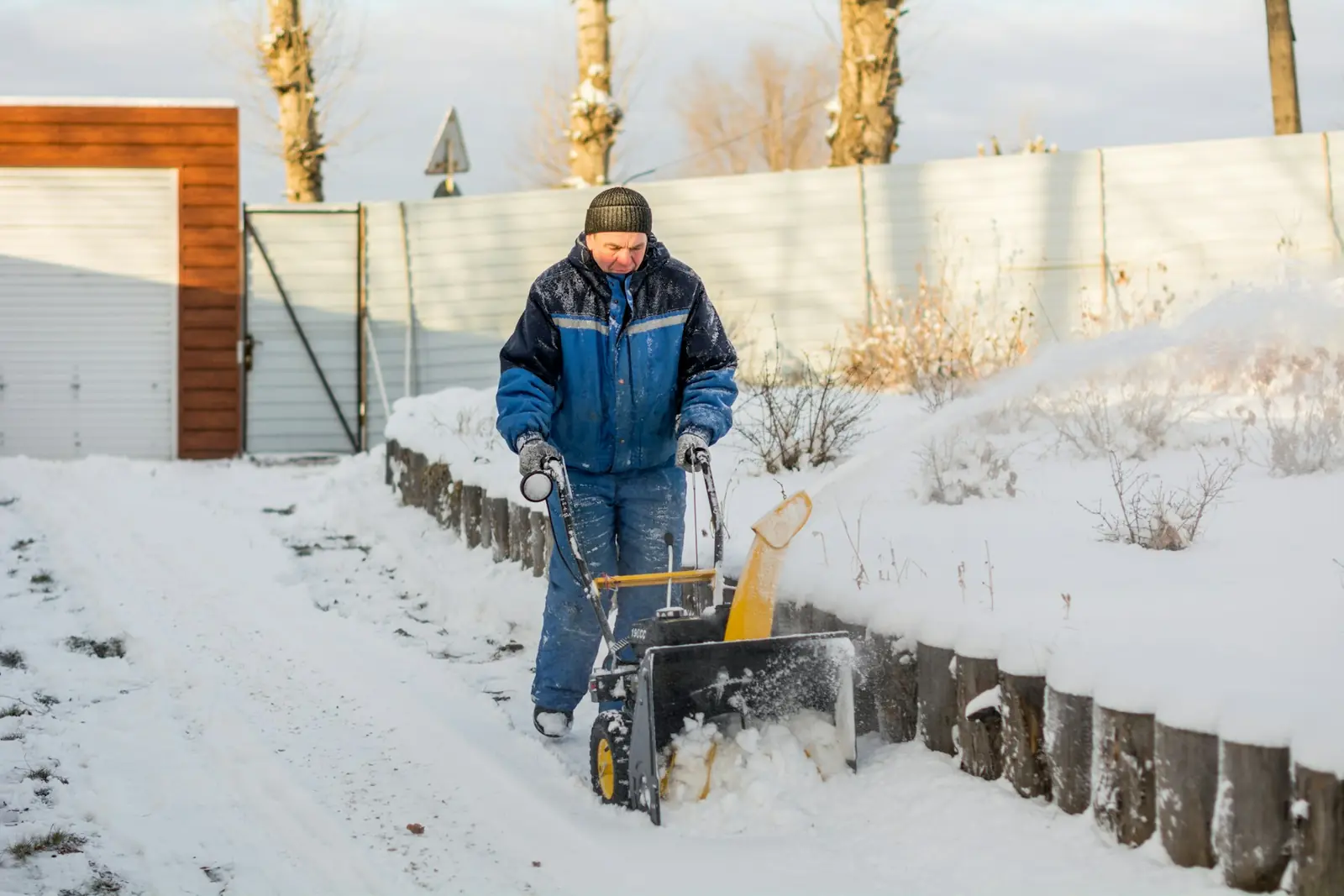
Concrete in Troy, MI flakes and spalls after winter because water and salt brine soak into the surface, freeze and expand. Deicers increase the number of freeze-thaw cycles at the surface and some chemically attack the paste. New concrete is most vulnerable during its first winter. To prevent damage, use air-entrained concrete, keep deicers off new slabs the first winter, never use magnesium or calcium chloride, and apply a penetrating sealer after the first 30 days.
Scaling versus spalling
Scaling is the loss of a thin surface layer, leaving a rough, pitted look with exposed sand and small stones. It usually starts in patches and spreads. Spalling is deeper: chunks or flakes break off, sometimes exposing larger aggregate or reinforcing steel. Both are signs that water and salt are winning against the concrete surface.
Why it happens
Water enters the pores of concrete. When it freezes, it expands, and if the concrete has a weak or poorly air-entrained surface, the pressure breaks the paste. Deicers make it worse in several ways. Melting snow on a cold day can re-freeze at night, adding cycles. Salt brine raises the saturation of the surface. And some chemicals attack the cement paste directly.
Several construction issues make scaling more likely:
- Concrete without enough entrained air.
- Water added on site or sprinkled on the surface during finishing.
- Finishing while bleed water is still on the surface.
- Poor curing, so the surface never gains full strength.
- Exposure to deicers in the first winter.
Which deicers to avoid
The Michigan Concrete Association concrete care guide is clear: do not use any deicer on new concrete during its first winter, and never use magnesium chloride or calcium chloride on concrete. Ordinary rock salt (sodium chloride) is the safest of the common deicers for concrete older than one year, but use it sparingly. Ammonium-based products, sometimes sold as fertilizers, are harmful to concrete. Sand gives traction without chemical attack.
Sealing to protect the surface
A penetrating silane or siloxane sealer reduces how much water and brine soak into the surface. Apply it after the concrete has cured at least 30 days, on a dry surface, and reapply on a regular schedule. The MCA suggests reapplying every three to five winters. Film-forming sealers are common on stamped and colored concrete; they need renewal when water stops beading.
What to do about existing damage
- Light scaling on a sound slab: clean it, let it dry and apply a penetrating sealer. That slows further damage.
- Small spalls on otherwise sound concrete: patch with a polymer-modified repair mortar designed for exterior use.
- Widespread scaling or deep spalling: the surface layer is failing. Overlays rarely last in Michigan winters. Replacement with air-entrained concrete is usually the long-term fix.
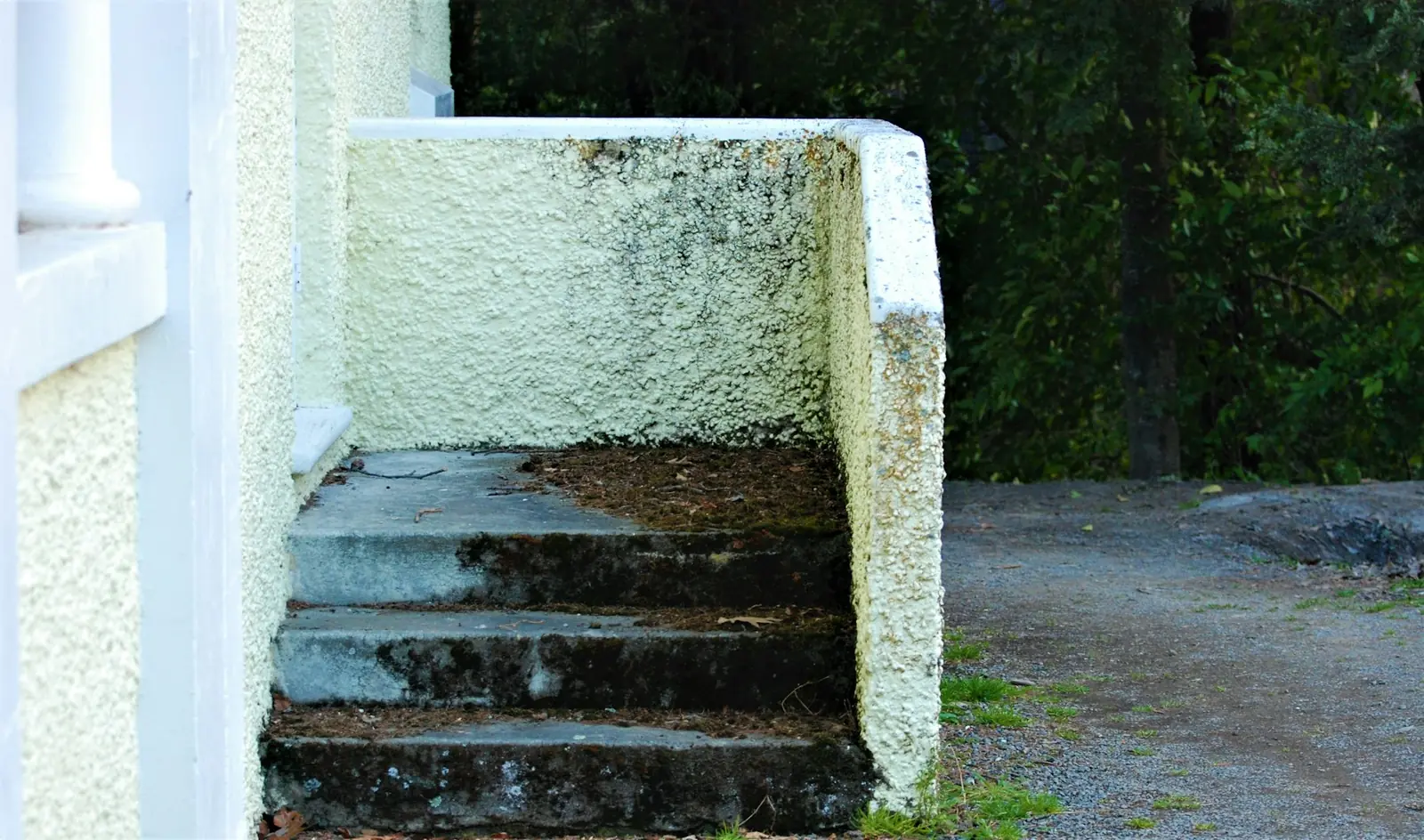
Steps are where we see the worst damage, because thin edges, dripping roof lines and heavy salting combine. Our concrete steps and porches page explains rebuilding. For slabs that may be salvageable, see concrete repair and leveling.
Around Troy
Driveways and walks near busy roads like Big Beaver and Rochester Road see salt spray from plows in addition to what owners apply. Homes near Stage Nature Center and the Rouge River sit in shaded, damp areas where snow lingers, adding freeze-thaw cycles.
To understand why the mix matters so much, read why Troy concrete needs air entrainment. If you just poured a new driveway, follow our new concrete driveway care guide.
Common questions
Is rock salt safe for concrete driveways?
Rock salt is the safest common deicer for concrete that is more than a year old, according to Michigan Concrete Association guidance, but it should be used sparingly. Never use magnesium chloride or calcium chloride, and keep all deicers off new concrete during its first winter. Sand provides traction without chemical damage.
Can a sealer fix scaling concrete?
A sealer cannot repair concrete that has already scaled, but it can slow further damage on a slab that is still sound. Clean the surface, let it dry and apply a penetrating silane or siloxane sealer. If scaling is widespread or deep, the surface is failing, and replacement with air-entrained concrete is the lasting solution.
Why did my new driveway flake after one winter?
Common causes are a mix without enough entrained air, water added during finishing, poor curing or deicers applied during the first winter. Salt brine dripping from cars can also do it. Contact the installer to discuss the mix ticket and finishing. For future winters, use sand on new concrete and seal after 30 days.